Last Updated: August 2026
Essential oils for hair loss are not interchangeable, and that is the part most articles skip. Rosemary is the one with a clinical trial against 2% minoxidil behind it. Peppermint is studied for the circulation and follicle-depth side. Lavender has research in animal models and a genuine role in stress-linked shedding. Tea tree does almost nothing for growth directly but clears the flaky, congested scalp that keeps other things from working.
The second thing to get right is safety. These are concentrated plant distillates, not hair oils, and applying them neat is how people end up with a red, itchy scalp that sheds more than it did before. This guide covers seven genuine options on Amazon India, what each one is actually for, the exact dilution ratios to use, and a simple blend recipe that combines them without turning your scalp into an experiment.
Quick Comparison Table
| Product | Best For | Rating | Buy |
|---|---|---|---|
| Soulflower Rosemary Essential Oil | Best Overall for Hair Loss | 4.2 ⭐ (13,900+) | Check Price |
| Naturalis Peppermint Essential Oil | Best for Scalp Circulation | 4.2 ⭐ (4,800+) | Check Price |
| Soulflower Lavender Essential Oil | Best for Stress-Related Shedding | 4.0 ⭐ (2,300+) | Check Price |
| Soulflower Tea Tree Hair Oil | Best for Dandruff-Linked Hair Fall | 4.2 ⭐ (24,100+) | Check Price |
| Organix Mantra Tea Tree Oil | Best Pure Tea Tree | 4.2 ⭐ (14,900+) | Check Price |
| Rey Naturals Rosemary Essential Oil | Best Budget Rosemary | 4.2 ⭐ (7,600+) | Check Price |
| Nature Spell Lavender Oil for Hair | Best Ready-to-Use Blend | 4.5 ⭐ (1,000+) | Check Price |
Top 7 Essential Oils for Hair Fall Reviewed
1. Soulflower Rosemary Essential Oil

If you only buy one essential oil for hair loss, buy rosemary. It is the single ingredient in this category with an independent clinical trial behind it, where it performed comparably to 2% minoxidil over six months in androgenetic alopecia and produced less scalp itching. Soulflower supplies it as a 100% pure, steam-distilled, Ecocert certified organic oil, which is exactly the specification the research is based on.
Use three to five drops per teaspoon of a carrier such as coconut, almond or jojoba, massage into the scalp for a few minutes and leave it for at least thirty minutes before washing. The aroma is sharp and camphorous rather than sweet, which is a good authenticity signal in a market full of perfumed imitations. A 30 ml bottle lasts months at the correct dose, so the cost per session is very low.
| Specification | Details |
|---|---|
| Oil | Rosemary, Rosmarinus officinalis |
| Purity | 100% pure, undiluted, steam distilled |
| Certification | Ecocert certified organic |
| Bottle size | 30 ml |
| Dilution | 3 to 5 drops per teaspoon of carrier |
| Best for | Pattern hair loss and general thinning |
Pros
| Cons
|
2. Naturalis Peppermint Essential Oil
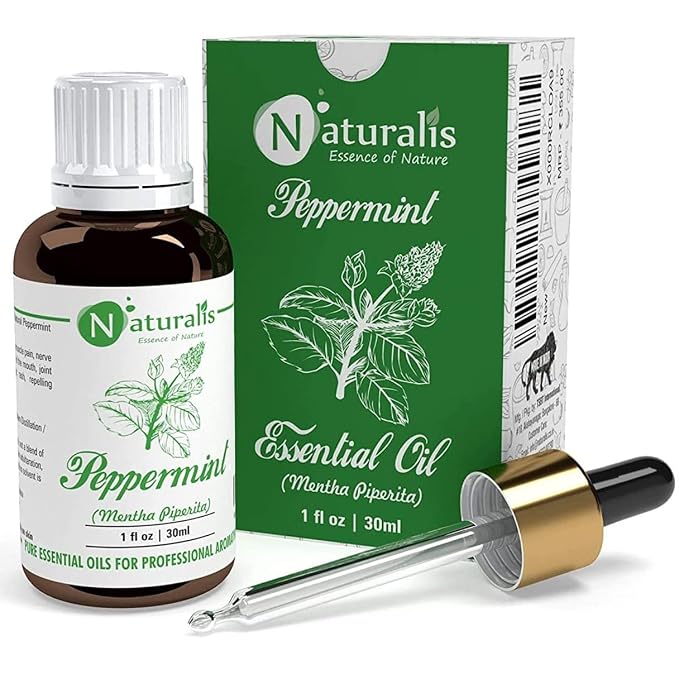
Peppermint is the circulation oil. Its menthol content produces the cool, tingling sensation that signals increased blood flow at the surface of the scalp, and animal research has looked at it for follicle depth and the growth phase. In practice it is the oil people add to a rosemary blend when they want to feel that something is happening rather than waiting silently for three months.
It is also the easiest one to overdo. Peppermint is potent, so stay at the low end of the dilution range, around two drops per teaspoon of carrier, and keep it well away from the eyes and the hairline near them. Used correctly it leaves the scalp feeling clean and awake, and it pairs particularly well with rosemary in a two-oil blend for an oily or congested scalp.
| Specification | Details |
|---|---|
| Oil | Peppermint, Mentha piperita |
| Purity | Pure therapeutic grade |
| Key action | Cooling, circulation stimulation |
| Dilution | About 2 drops per teaspoon of carrier |
| Pairs with | Rosemary for a growth blend |
| Best for | Oily scalps and dull circulation |
Pros
| Cons
|
3. Soulflower Lavender Essential Oil

Lavender earns its place for a reason people often overlook: a lot of hair fall in India is stress-linked telogen effluvium, and lavender is the one oil in this list that works on both ends of that problem. There is animal research on lavender for hair growth, and its calming aroma has a genuine role in sleep quality, which is not a small factor when shedding follows months of poor sleep and pressure.
On the scalp it is gentler than rosemary or peppermint, so it suits sensitive skin and can be used at three to five drops per teaspoon of carrier. Many people build a night-time routine around it: a diluted scalp massage before bed, which delivers the oil and the wind-down at once. It is a supportive oil rather than the main engine of a hair loss routine, and it is best combined with rosemary rather than used alone.
| Specification | Details |
|---|---|
| Oil | Lavender, Lavandula angustifolia |
| Purity | Pure essential oil |
| Key action | Calming, supports stress-linked shedding |
| Dilution | 3 to 5 drops per teaspoon of carrier |
| Best time | Night-time scalp massage |
| Best for | Sensitive scalps and stress-driven hair fall |
Pros
| Cons
|
4. Soulflower Tea Tree Hair Oil

If your shedding comes with flakes, itching and a congested scalp, no growth oil will get far until that is fixed, and tea tree is the standard answer. Its antimicrobial and antifungal action targets the malassezia yeast involved in dandruff, and a calmer scalp sheds noticeably less. This Soulflower version is supplied as a ready-to-use hair oil rather than a concentrate, so it is a lower-risk entry point.
Use it as the scalp-clearing step of the routine, two or three times a week before washing, and switch to or alternate with rosemary once the flaking has settled. Tea tree can be drying and is one of the more sensitising oils, so patch test first and do not layer it with an anti-dandruff shampoo on the same day if your scalp is already tight. It is a corrective product rather than a growth product.
| Specification | Details |
|---|---|
| Oil | Tea tree, Melaleuca alternifolia |
| Format | Ready-to-use hair oil |
| Key action | Antifungal, antimicrobial, anti-dandruff |
| Best use | Pre-wash scalp treatment |
| Frequency | Two to three times a week |
| Best for | Flaky, itchy, congested scalps |
Pros
| Cons
|
5. Organix Mantra Tea Tree Oil

For anyone who prefers to build their own blends, this is the concentrated version of the scalp-clearing step. It is a pure tea tree oil positioned for skin and hair, with one of the larger review bases in the Indian essential oil market, and it slots into a DIY routine alongside rosemary and peppermint rather than replacing them.
Because it is undiluted it needs care: two to three drops per teaspoon of carrier is plenty for the scalp, and it should never go on neat. A practical approach is to keep a small dropper bottle with coconut or jojoba oil, add rosemary for growth and a couple of drops of tea tree for the flaking, and use it twice a week. Patch test on the forearm first, as tea tree is among the more common sensitisers.
| Specification | Details |
|---|---|
| Oil | Tea tree, pure and undiluted |
| Uses | Scalp, skin and hair |
| Dilution | 2 to 3 drops per teaspoon of carrier |
| Key action | Antifungal and antibacterial |
| Blends with | Rosemary and peppermint |
| Best for | DIY anti-dandruff scalp blends |
Pros
| Cons
|
6. Rey Naturals Rosemary Essential Oil

Rosemary is the oil worth prioritising for hair loss, and this is the least expensive way to get a genuine one. It is 100% pure, undiluted and steam distilled, and it ships in a 15 ml bottle with a dropper, which is the practical detail that makes accurate dosing possible when you are counting three drops into a spoon of carrier oil.
With thousands of verified reviews behind it, quality problems would be visible in the ratings if they existed, which matters in a category where cheap bottles are frequently diluted or fragrance-based. Use it exactly as you would a premium oil: blended into a carrier, massaged into the scalp, left for thirty minutes to overnight, then washed out. Heavy users with long hair will finish a small bottle quickly, so buy larger once you know it suits you.
| Specification | Details |
|---|---|
| Oil | Rosemary, pure and undiluted |
| Bottle size | 15 ml with dropper |
| Extraction | Steam distilled |
| Dilution | 3 to 5 drops per teaspoon of carrier |
| Best for | Testing rosemary before committing |
| Suitable for | Men and women |
Pros
| Cons
|
7. Nature Spell Lavender Oil for Hair

Not everyone wants to measure drops, and this is the answer for that group: a pre-diluted lavender scalp oil that can be applied straight from the bottle, with the highest average rating of any product in this roundup. It removes the two things that go wrong with essential oils, which are over-concentration and inconsistent mixing.
It works well as the calming, night-time part of a hair loss routine, particularly for people whose shedding followed a stressful stretch, and it is light enough not to smother the scalp. The trade-off is control: you cannot increase the strength the way you can with a concentrate, and the lavender percentage is not published. For beginners, or as a gift for someone who will not do DIY blending, it is the easiest option here.
| Specification | Details |
|---|---|
| Oil | Lavender, pre-diluted |
| Format | Ready-to-use scalp oil |
| Application | Direct, no mixing required |
| Texture | Light |
| Best time | Evening or night application |
| Best for | Beginners and stress-linked shedding |
Pros
| Cons
|
How to Use the Best Essential Oils for Hair Loss
Start with rosemary, then add the others
Rosemary has the only independent clinical trial in this group, so it should be the base of any hair loss blend. Peppermint adds circulation, tea tree clears flaking, and lavender supports stress-linked shedding. Buying all four at once is unnecessary; start with rosemary, and add a second oil only if you have a specific reason.
Never apply an essential oil neat
This is the most common and most damaging mistake. Pure essential oils must be diluted in a carrier: three to five drops per teaspoon for rosemary and lavender, two drops for peppermint and two to three for tea tree. Neat application causes redness, burning and irritation, and an inflamed scalp sheds more, not less.
Pick the right carrier oil for your scalp
Coconut is the best-evidenced for reducing protein loss and suits thick, dry Indian hair. Jojoba and grapeseed are light and better for fine hair or oily scalps. Almond sits in between and castor is useful in small proportions. Mix a fresh batch every couple of weeks rather than making a large bottle that can go rancid.
Use a simple blend recipe rather than improvising
A reliable weekly blend is two tablespoons of carrier oil, six to eight drops of rosemary, three drops of peppermint and three drops of lavender. That lands at roughly a two to three percent dilution, which is the safe therapeutic range. Add two drops of tea tree only if you have flaking, and drop the peppermint if your scalp feels sensitive.
Patch test and know the contraindications
Apply one diluted drop to the inner forearm and wait a full day. Rosemary, peppermint and tea tree are generally avoided in pregnancy and breastfeeding; rosemary is also cautioned for epilepsy and uncontrolled high blood pressure; peppermint should be kept away from young children. When in doubt, ask a doctor before starting.
Massage properly and leave it on long enough
Use fingertips, not nails, and work in small circles across the whole scalp for three to five minutes, concentrating on the thinning areas. Thirty minutes is the practical minimum contact time and overnight is fine for dry scalps. Wash out with a mild sulphate-free shampoo rather than leaving residue behind.
Buy real oils, not fragrance oils
Look for the botanical name, a steam-distilled claim, dark glass packaging and a single-ingredient list. Genuine oils smell sharp and herbal rather than sweet, and a drop evaporates from paper without leaving a greasy ring. Anything sold as an aroma oil, perfume oil or natural blend is not the same product.
Give it three to six months and track it
Reduced shedding shows first, usually in six to eight weeks. Any visible change in density takes three to six months, which is exactly how long the rosemary trial ran before differences appeared. Photograph the same parting monthly in the same light, and get blood tests if the shedding is heavy or sudden.
Frequently Asked Questions (2026)
Which essential oil is best for hair loss?
Rosemary, by a clear margin. It is the only one with an independent clinical trial behind it, where it matched 2% minoxidil over six months for pattern hair loss with less scalp itching. Peppermint supports circulation, lavender helps stress-linked shedding and tea tree clears dandruff, but rosemary should be the base of any blend.
How do I dilute essential oils for hair loss?
Use three to five drops per teaspoon of carrier oil for rosemary and lavender, and two to three drops for peppermint and tea tree, which are more potent. That works out to roughly a two to three percent dilution. Coconut, almond, jojoba and grapeseed all work as carriers; pick a lighter one if your scalp is oily.
Can I mix several essential oils together?
Yes, and a blend often works better than a single oil because each targets a different part of the problem. A reliable weekly mix is two tablespoons of carrier with six to eight drops of rosemary, three of peppermint and three of lavender. Keep the total essential oil content within the safe dilution range rather than adding more of everything.
How often should I use essential oils on my scalp?
Two to three times a week is the sweet spot. Massage the diluted blend in for three to five minutes, leave it for at least thirty minutes or overnight, then wash out with a mild shampoo. Daily use of concentrated oils raises the risk of irritation without speeding up results.
Are essential oils safe during pregnancy?
Rosemary, peppermint and tea tree are generally advised against during pregnancy and breastfeeding, and rosemary is also cautioned for people with epilepsy or uncontrolled high blood pressure. Lavender is usually considered gentler but still warrants medical advice. Ask your doctor before starting any essential oil routine while pregnant.
Can essential oils regrow hair on bald patches?
Round, coin-sized bald patches usually indicate alopecia areata, which is autoimmune and needs medical treatment; oils will not resolve it, although some small studies have looked at essential oil massage as an adjunct. For diffuse thinning where follicles are still active, rosemary-led blends are a reasonable low-risk addition.
Do essential oils work better than ready-made hair oils?
They are more concentrated and you control the dose, which is an advantage if you will do the mixing. A ready-made hair oil is more convenient and far more likely to be used consistently. Since consistency drives results, the honest answer is that the better product is the one you will actually apply twice a week for three months.
Related Guides
Best Hair Oil for Hair Loss in India · Best Rosemary Essential Oil in India · Best Oil for Hair Loss and Regrowth · Best Rosemary Oil for Hair Growth in India
Conclusion
Among all the essential oils for hair loss sold in India, rosemary is the one to buy first, and Soulflower is the version we would pick: certified organic, steam distilled, undiluted and backed by the deepest review base in the category. Rey Naturals is the cheaper way to test whether it suits your scalp before committing.
Build outwards from there rather than buying everything at once. Add peppermint if your scalp is oily and circulation feels sluggish, lavender if your shedding followed a stressful period, and tea tree if flaking is part of the picture. Keep the total dilution at two to three percent, massage two or three times a week, and give the routine three to six months before you judge it.
Affiliate Disclosure: This post contains Amazon affiliate links. If you buy through them, we may earn a small commission at no extra cost to you.