



Choosing the best camera for photography in 2026 is less about megapixels on a spec sheet and more about matching a sensor, autofocus system and lens ecosystem to the kind of images you actually want to make. Whether you shoot sweeping landscapes, fast-moving wildlife, portraits, street scenes or product work, the right body should get out of your way and let you concentrate on light and composition.
To build this list we compared full-frame and APS-C cameras across resolution, autofocus intelligence, low-light performance, in-body stabilisation, handling and long-term lens support. We leaned on real-world shooting experience and thousands of verified owner reviews rather than marketing claims, so every pick here is a camera you can buy today and grow into for years.
Below you will find eight strong options, from uncompromising professional full-frame bodies to affordable APS-C cameras that punch far above their class. Each one earns its place as a genuine contender for the best camera for photography at its level, so you can pick the one that fits your subjects, your hands and your ambitions.
Our Top Pick for Photography
If you want the single best camera for photography with no compromises, the Sony a7R V is our overall winner. Its 61-megapixel full-frame sensor resolves staggering detail, the AI autofocus tracks eyes and animals with ease, and 8-stop stabilisation keeps handheld frames sharp. For anyone who prints large or crops hard, nothing on this list matches its raw image quality and future-proof feature set.
Best Cameras for Photography at a Glance
| Product | Rating | Best For |
| Sony a7R V | 4.8 ★ | Professionals who need maximum resolution |
| Nikon D850 | 4 ★ | Landscape and studio DSLR shooters |
| Canon EOS R6 | 5 ★ | Low-light and action photography |
| Nikon D7500 | 4.3 ★ | Enthusiast DSLR value |
| Sony a6700 | 4.5 ★ | APS-C flagship all-rounder |
| Canon EOS R10 | 4.7 ★ | Best value for beginners |
| Sony a6400 | 4.6 ★ | Compact everyday photography |
| Fujifilm X-M5 | 4.4 ★ | Compact camera with film looks |
The 8 Best Cameras for Photography Reviewed
Sony a7R V


| Sensor | 61MP Full-Frame Exmor R |
| Autofocus | 693-point AI phase-detect |
| Stabilisation | 8-stop 5-axis IBIS |
| Viewfinder | 9.44M-dot OLED |
| Video | 8K 24p / 4K 60p |
| Best For | Landscape, studio, commercial |
The Sony a7R V sits at the very top of what a camera can do for photography, pairing a 61-megapixel full-frame sensor with a dedicated AI processing unit that recognises humans, animals, birds and vehicles with uncanny accuracy. For landscape, studio, wildlife and commercial shooters who crop heavily or print large, this is the resolution king. Its 8-stop in-body stabilisation lets you shoot handheld in dim light, the 9.44-million-dot viewfinder is the sharpest Sony has ever built, and the four-axis tilting screen suits both vertical and horizontal composition. Files hold enormous shadow and highlight latitude, so demanding edits survive without banding, making it a professional tool that rewards good glass and careful technique.
Pros
- 61MP resolution captures extreme detail for large prints and heavy crops
- AI subject recognition locks focus on eyes, animals and vehicles reliably
- 8-stop in-body stabilisation enables sharp handheld shots in low light
- Class-leading viewfinder and rugged weather-sealed magnesium body
Cons
- Premium price places it out of reach for most hobbyists
- Huge files demand fast cards and a powerful editing computer
- More resolution than casual social sharing ever needs
Nikon D850


| Sensor | 45.7MP Full-Frame BSI CMOS |
| Autofocus | 153-point Multi-CAM 20K |
| Viewfinder | Optical pentaprism |
| Burst | 7 fps (9 fps with grip) |
| Video | 4K UHD 30p |
| Best For | Landscape, portrait, studio |
The Nikon D850 remains one of the finest DSLRs ever made and a serious contender for landscape and studio photography years after its launch. Its 45.7-megapixel back-illuminated full-frame sensor produces files with exceptional detail, colour and dynamic range, while the bright optical viewfinder gives a lag-free, natural view of your scene. Photographers love its deep, comfortable grip, weather-sealed build and legendary battery life that outlasts almost any mirrorless rival on a single charge. The 153-point autofocus system is quick and dependable for portraits and landscapes, and the vast Nikon F-mount lens catalogue, both new and used, means you can build a superb kit affordably. For stills-first shooters, it is still a powerhouse.
Pros
- 45.7MP sensor delivers outstanding detail and dynamic range
- Optical viewfinder offers a natural, lag-free shooting experience
- Exceptional battery life outlasts most mirrorless competitors
- Access to a huge, affordable Nikon F-mount lens library
Cons
- Larger and heavier than modern mirrorless bodies
- Autofocus in live view lags behind newer designs
- Video features are basic by 2026 standards
Canon EOS R6

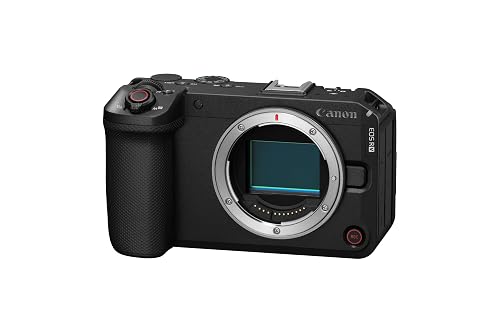
| Sensor | 24.2MP Full-Frame CMOS |
| Autofocus | Dual Pixel CMOS AF II |
| Stabilisation | 8-stop 5-axis IBIS |
| Burst | up to 40 fps electronic |
| Video | 4K 60p oversampled |
| Best For | Events, sports, weddings |
The Canon EOS R6 is the low-light and action specialist of this list, built around a 24.2-megapixel full-frame sensor that stays clean at high ISO where detail-hungry cameras struggle. Its Dual Pixel autofocus is among the best in the business, tracking eyes and faces of people and animals across the frame with confidence, which makes it a favourite for weddings, events, sports and wildlife. Burst speeds reach an astonishing forty frames per second with the electronic shutter, so you rarely miss a peak moment, and 8-stop in-body stabilisation keeps handheld shots sharp in dim venues. The comfortable grip, bright viewfinder and mature Canon RF lens range round out a camera that simply gets the shot.
Pros
- Superb high-ISO performance for dim venues and night work
- Class-leading autofocus tracks people and animals reliably
- Blistering burst speeds capture fleeting peak-action moments
- 8-stop stabilisation and comfortable, weather-sealed handling
Cons
- 24MP offers less cropping room than high-resolution rivals
- RF lenses can be expensive to build a full kit
- Battery drains quickly during heavy burst shooting
Nikon D7500

| Sensor | 20.9MP APS-C DX CMOS |
| Autofocus | 51-point Multi-CAM 3500 II |
| Viewfinder | Optical pentaprism |
| Burst | 8 fps |
| Video | 4K UHD 30p |
| Best For | All-round enthusiast stills |
The Nikon D7500 is a superb value DSLR that brings much of the flagship D500’s imaging engine into a lighter, more affordable body. Its 20.9-megapixel APS-C sensor produces clean, richly detailed files with excellent colour, and the wide native ISO range handles indoor and evening scenes with ease. Photographers appreciate the deep grip, tilting touchscreen and reassuring weather sealing, along with an eight-frames-per-second burst that keeps up with kids, pets and casual sports. The optical viewfinder gives a clear, immediate view, battery life is generous, and the enormous Nikon DX lens ecosystem, including affordable used glass, makes it easy to expand. For enthusiasts who want dependable DSLR quality without a full-frame price, it is a smart, rewarding choice.
Pros
- Flagship-derived sensor delivers clean, detailed images
- Fast 8 fps burst handles kids, pets and casual sport
- Deep grip, weather sealing and long battery life
- Affordable access to a vast DX lens catalogue
Cons
- Single card slot may deter some professionals
- Live-view autofocus is slower than mirrorless
- APS-C sensor gives less low-light reach than full-frame
Sony a6700

| Sensor | 26MP APS-C Exmor R |
| Autofocus | AI-based 759-point AF |
| Stabilisation | 5-axis IBIS |
| Burst | 11 fps |
| Video | 4K 120p |
| Best For | Travel, hybrid shooters |
The Sony a6700 is the APS-C flagship that borrows its intelligence from Sony’s full-frame line, making it one of the most capable compact cameras you can buy for photography. A 26-megapixel sensor delivers crisp, detailed stills, while the AI-driven autofocus recognises humans, animals, birds and insects and holds focus tenaciously as they move. In-body stabilisation, absent from earlier a6000-series bodies, finally lets you shoot handheld in low light and use slower shutter speeds with confidence. The redesigned deeper grip, front and rear dials and vari-angle screen make it a joy to handle for travel and everyday shooting, and the huge Sony E-mount lens range means you can go as light or as serious as you like. It is a brilliant all-rounder.
Pros
- AI autofocus rivals far pricier full-frame bodies
- In-body stabilisation enables confident low-light handheld shots
- Compact, travel-friendly size with an improved deep grip
- Access to Sony’s enormous E-mount lens ecosystem
Cons
- Rolling shutter can appear with fast-moving subjects
- Menu system takes time to learn fully
- Single card slot limits professional backup workflows
Canon EOS R10

| Sensor | 24.2MP APS-C CMOS |
| Autofocus | Dual Pixel CMOS AF II |
| Burst | up to 23 fps electronic |
| Viewfinder | 2.36M-dot OLED |
| Video | 4K 60p (cropped) |
| Best For | Beginners and enthusiasts |
The Canon EOS R10 is one of the best cameras for photography beginners who want room to grow, delivering flagship-derived autofocus in a light, affordable mirrorless body. Its 24.2-megapixel APS-C sensor produces sharp, vibrant images, and Canon’s excellent Dual Pixel autofocus tracks eyes and subjects with a reliability that flatters newer photographers and lands more keepers. Fast burst shooting up to twenty-three frames per second makes it surprisingly capable for pets, kids and casual sports, while the clear electronic viewfinder and fully articulating screen make composing easy from any angle. The lightweight body is a pleasure to carry all day, and the growing Canon RF-S and RF lens range gives a clear upgrade path. For the money, it is outstanding.
Pros
- Excellent autofocus inherited from Canon’s pro cameras
- Very light and comfortable for all-day carrying
- Fast burst shooting for pets, kids and casual sport
- Affordable entry into the modern Canon RF system
Cons
- Limited native RF-S lens selection at launch
- No in-body stabilisation for handheld low light
- 4K 60p video comes with a heavy crop
Sony a6400

| Sensor | 24.2MP APS-C Exmor |
| Autofocus | 425-point real-time tracking |
| Viewfinder | 2.36M-dot OLED |
| Burst | 11 fps |
| Video | 4K 30p |
| Best For | Street, travel, content |
The Sony a6400 has been a favourite compact camera for photography for years, and it still holds up thanks to a proven 24.2-megapixel APS-C sensor and Sony’s excellent real-time tracking autofocus. It locks onto eyes and follows subjects around the frame with a tenacity that belies its modest size, making it superb for street, travel and everyday shooting. The pocketable, lightweight body slips easily into a bag, the tilting screen flips up for self-portraits and vlogging, and the bright electronic viewfinder makes composing in sunlight simple. With access to Sony’s vast E-mount lens range, from tiny primes to serious zooms, the a6400 remains a versatile, dependable choice for photographers who prize portability without giving up autofocus performance.
Pros
- Reliable real-time eye and subject tracking autofocus
- Genuinely compact and light for travel and street
- Sharp 24MP files with pleasing colour straight from camera
- Huge E-mount lens selection for every budget
Cons
- No in-body stabilisation for handheld low light
- Ergonomics feel cramped for larger hands
- Single control dial slows quick manual adjustments
Fujifilm X-M5

| Sensor | 26MP APS-C X-Trans |
| Autofocus | Subject-detection AF |
| Film Sims | 20 Fujifilm profiles |
| Weight | Ultra-light body |
| Video | 6K/4K capable |
| Best For | Street, creative, travel |
The Fujifilm X-M5 is a delightfully compact camera for photography that leans into Fujifilm’s famous colour science and film simulations, letting you create beautiful, finished-looking images straight out of camera with no editing. Its 26-megapixel APS-C X-Trans sensor delivers crisp detail and gorgeous tones, while twenty built-in film profiles, from classic chrome to nostalgic negative, give your photos a distinctive character that phone cameras cannot match. The tiny, light body makes it an ideal everyday and travel companion, subject-detection autofocus keeps people and pets sharp, and the tactile controls encourage a slower, more deliberate way of shooting. For street photographers, creators and anyone who wants personality in their images without spending hours editing, it is a charming and capable pick.
Pros
- Gorgeous film simulations produce finished images in-camera
- Extremely compact and light for daily carry and travel
- Sharp 26MP X-Trans sensor with beautiful Fujifilm colour
- Tactile, enjoyable controls that encourage deliberate shooting
Cons
- No in-body stabilisation for handheld low light
- Smaller grip feels cramped with larger lenses
- Single card slot and modest battery life
How to Choose the Best Camera for Photography
Start with sensor size, because it shapes everything else. Full-frame sensors gather more light, deliver cleaner high-ISO files and give shallower depth of field, which is why serious portrait and landscape shooters gravitate to them. APS-C sensors are smaller, lighter and far more affordable, yet modern ones are so good that most enthusiasts never feel limited. Decide how much you value low-light reach and background blur against budget and portability before anything else.
Autofocus is where recent cameras have leapt ahead. Look for reliable eye-detection for people and animals, plus subject tracking that sticks to your target as it moves across the frame. If you shoot kids, pets, sports or wildlife, a smart autofocus system will land far more keepers than a higher megapixel count ever will. Every camera on this list offers dependable focus, but the newer mirrorless bodies are noticeably more intelligent than older designs.
Think about the lens ecosystem, not just the body. The best camera for photography is one you can build a kit around, so check that the mount offers the lenses you want at prices you can afford, whether that is a fast prime for portraits, a wide zoom for landscapes or a long telephoto for wildlife. Sony E, Canon RF, Nikon Z and Fujifilm X all have mature line-ups, and DSLR mounts still enjoy huge used-lens libraries.
Finally, weigh handling and stabilisation. A camera that feels good in your hands and has intuitive dials encourages you to shoot more, and in-body stabilisation buys you several extra stops for handheld work in dim conditions. Weather sealing matters if you shoot outdoors, and a good viewfinder makes composing a pleasure. The best body is the one you will happily carry every day, because the camera you have with you always beats the one left at home.
Frequently Asked Questions
Which is the best camera for photography for beginners?
For newcomers who want room to grow, an APS-C mirrorless body like the Canon EOS R10 or Sony a6400 is ideal. Both offer excellent autofocus, light bodies and affordable lenses, so you learn faster without spending on features you do not yet need. They deliver professional-looking results straight away while leaving plenty of headroom as your skills improve.
Is a full-frame camera worth it over APS-C?
Full-frame shines in low light, shallow depth of field and dynamic range, which benefits landscape, portrait and event photographers. However, today’s APS-C cameras are so capable that many enthusiasts never feel held back. If budget and portability matter more than the last bit of image quality, a strong APS-C body is the smarter buy for most people.
Do DSLRs still make sense in 2026?
Yes, for specific buyers. DSLRs like the Nikon D850 and D7500 still deliver superb image quality, long battery life, an optical viewfinder and access to a vast pool of affordable used lenses. Mirrorless bodies have overtaken them in autofocus and video, but a well-chosen DSLR remains a rewarding, cost-effective tool for stills-focused photographers.
How many megapixels do I really need?
For most photography, 24 megapixels is plenty and gives sharp large prints with room to crop. High-resolution bodies around 45 to 61 megapixels only make sense if you print very large, crop aggressively or shoot commercial work. Extra resolution means bigger files and slower workflow, so match the count to how you actually use your images.
Final Verdict
The best camera for photography ultimately depends on your subjects and budget, but a few clear winners stand out. The Sony a7R V is the resolution champion for professionals, the Canon EOS R6 is the low-light and action specialist, and the Nikon D850 remains a landscape and studio powerhouse. For enthusiasts, the Sony a6700 and Canon EOS R10 deliver flagship features in compact, affordable bodies.
Whichever you choose, invest in good lenses and spend time learning light and composition, because those skills matter far more than any spec. Every camera on this list is capable of stunning results, so pick the one that fits your hands and your goals, then go out and shoot.